飓风营救
Zero-tariff policies, systemic support help African countries expand exports, upgrade industry_我的网站

一 | Condolences have continued to pour in following the passing of veteran producer M Saravanan, widely known as AVM Saravanan of AVM Studios. Revered as a doyen of Tamil cinema, Saravanan breathed his last on Thursday at the age of eighty-six due to age related ailments. His death has left a profound void in an industry he helped shape for decades.A Studio Mourns Its Guiding PresenceFrom morning, AVM Studios saw a steady flow of celebrities arriving to pay their final respects. His mortal remains were placed on the premises, a place synonymous with cinematic milestones, and one that now also holds the weight of collective grief and gratitude. Tamil Nadu Chief Minister MK Stalin, veteran actor Sivakumar, Suriya, Rajinikanth, Vishal, and directors Vasanth and Parthiban were among those who placed garlands and offered condolences to his family.A visibly moved Sivakumar revisited the earliest chapter of his journey, recalling the moment Saravanan gave him the name by which the world would come to know him. “Saravanan introduced me to cinema in 1965 and changed my name to Sivakumar. To remember him and his good deed, I kept his name for my son Suriya as Saravanan,” he said. He also remembered a heartbreak from his early years, when a significant portion of his scene was cut from a film. “I remember crying in front of Manikkam theatre when my 500-foot-scene (in reels) was cut off from a film. AVM Saravanan consoled me, encouraged me to continue pushing through and said I would soon get a great role in films.”Actor Vishal joined the long line of voices honouring the producer’s influence. He recalled that AVM Studios had been a part of every phase of his life in cinema. “I remember meeting you as a kid, as an assistant director, as an actor, as a producer ever since I entered AVM studios which was a learning ground for me to be what I am today in the film industry.” Reflecting on Saravanan’s influence on the profession itself, he added, “Every producer used to look up to you for your sincerity and your dedication. I always wanted you and your production house to continue making great films but today we have lost another great film personality in Indian film industry. Your memories will always linger in our minds and your films will always be a learning ground for aspiring filmmakers.”
தமிழ்த் திரையுலகின் முதுபெரும் ஆளுமைகளில் ஒருவரும் வரலாற்றுப் புகழ்மிக்க AVM நிறுவனத்தின் முகமாகவும் திகழ்ந்த ஏவி.எம். சரவணன் அவர்கள் மறைவெய்திய செய்தியறிந்து மிகவும் வருந்தினேன். தமிழ்த்திரையுலகின் பாதையைத் தீர்மானித்து உருவாக்கியதில் ஏவி.எம். நிறுவனத்தின் பங்கு எவ்வளவு… pic.twitter.com/pzB90zbDYU
— M.K.Stalin - தமிழ்நாட்டை தலைகுனிய விடமாட்டேன் (@mkstalin) December 4, 2025
Filmmaker Parthiban shared his own heartfelt tribute, calling Saravanan the embodiment of humility and discipline. “Even when he folds his hands, when we look at him, we become humble and fearful looking at him. Until his name is here in the Earth, we won't lose the respect we have for him.” Connecting him to the legacy of AV Meiyappan, he said, “He is considered as a God for artists like us. Saravanan is also like that for us.” Parthiban recalled writing to him shortly after the release of Murattu Kaalai in 1980, believing Meiyappan’s spirit could finally rest with pride. He added that while the void Saravanan leaves cannot be replaced, he has spoken to the family about ensuring the AVM legacy continues through new productions.A Legacy Remembered by the Artists He RaisedThe Tamil film fraternity woke up on Thursday to the news of his passing, prompting tributes from all corners. Chief Minister MK Stalin shared a message on his official X handle, writing, “I was deeply saddened to hear about the passing of AVM Saravanan, one of the senior-most stalwarts of Tamil cinema and the iconic face of the historic AVM Studios. Just as AVM played a monumental role in shaping the direction of Tamil cinema, Mr Saravanan’s contribution to shaping the direction of AVM itself was equally immense.”Rajinikanth, who has a long association with the AVM banner, visited the studio and later addressed the media. Reflecting on their collaborations, he said, “He loved me a lot and was a well-wisher of mine. He stood by me when I went through difficult times. I have acted in nine films in AVM. All nine films emerged as big hits. It won't be an exaggeration if I say that the main reason for them becoming hits was Saravanan sir.” He described him as “a true example of a gentleman,” recalling his characteristic white attire and pure-hearted nature. Rajinikanth also noted how often Saravanan referred to his father affectionately as “Appachi.”
உங்கள் பெயர் சொல்லும் பிள்ளைகளில் ஒருவனின் அஞ்சலி : pic.twitter.com/XWNx731BJc
— Kamal Haasan (@ikamalhaasan) December 4, 2025
Kamal Haasan, whose association with AVM goes back to his childhood role in Kalathur Kannamma, shared a video message remembering the bond he shared with the producer. “The relationship I had with Thiru. AVM Saravanan is like the bond I shared with my brothers, Chandra Haasan and Charuhasan,” he said. He spoke of his early uncertainty about how to address the elders at the studio, and how, as he grew older, he understood the depth of respect they deserved. “Those confusions went away after I crossed 20 because I realised then that I should hold them with the same level of respect that I showed my father.” He ended by saying he shared in the grief of Saravanan’s family, especially MS Guhan.A Farewell Etched in Film HistoryFrom actors who found their names through him to superstars whose biggest hits arose from his banner, Saravanan’s imprint runs deep through Tamil cinema. AVM Studios continues to stand as a physical symbol of his legacy, but the true monument to his life lies in the careers he nurtured, the values he upheld, and the generations he shaped through quiet conviction.Also Read: PHOTOS: Shah Rukh Khan and Kajol Inaugurate DDLJ-inspired Statue in Leicester。
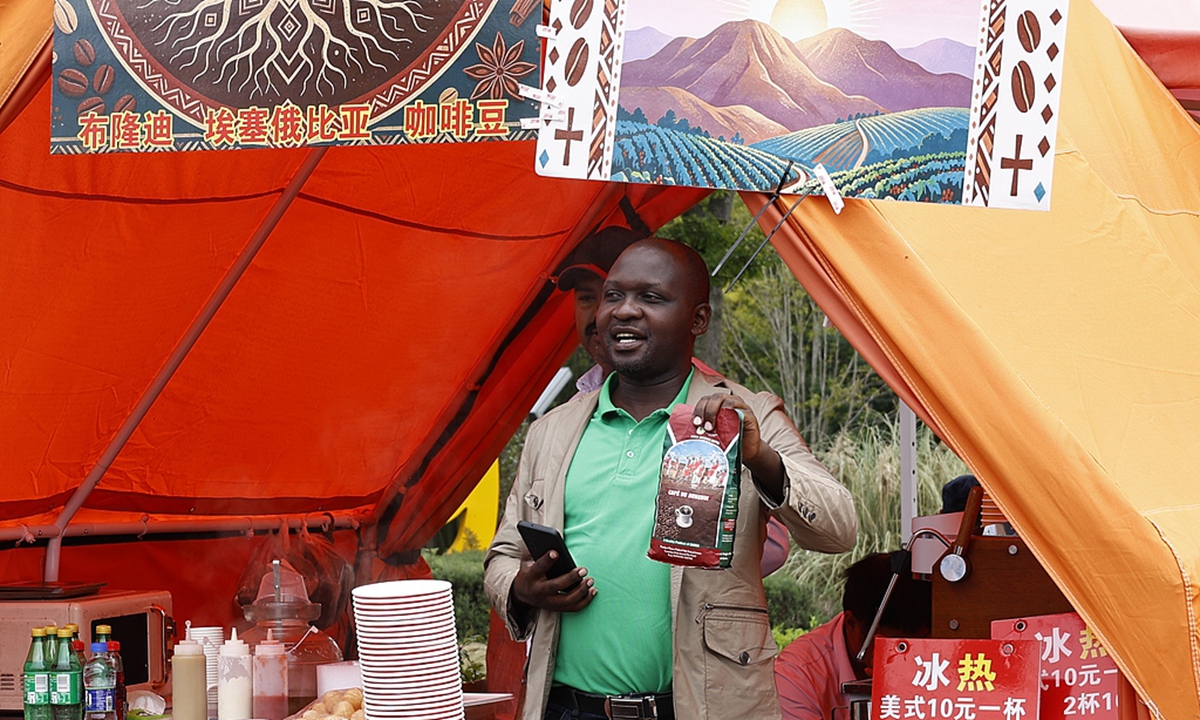
An exhibitor showcases Ethiopian coffee beans at the 2026 Dianchi International Coffee Culture Carnival in Kunming, Southwest China's Yunnan Province, on August 9, 2026. Photo: VCG It has been three months since China becomes the first major economy to grant unilateral, comprehensive zero-tariff treatment to all African countries with which it maintains diplomatic relations, as well as all least developed countries having diplomatic ties with China. Effective May 1, China extended the favorable policy to 53 African countries. Two African diplomats stationed in China have shared with the Global Times about the benefits of China's policy, particularly in trade of coffee, as well as China's exemplary role in promoting cooperation among Global South countries.

Aziza Geleta, Deputy Head of Mission of the Ethiopian Embassy in China Photo: Courtesy of the Ethiopian Embassy in China Aziza Geleta, Deputy Head of Mission of the Ethiopian Embassy in China, told the Global Times that the trade policy demonstrates China's commitment to strengthening mutually beneficial economic cooperation with Africa.
For Ethiopia, which is believed to be the birthplace of coffee, this initiative presents significant opportunities.
"Coffee is not only our leading agricultural export but also an integral part of our cultural heritage. For centuries, Ethiopians have preserved a unique coffee tradition, where families and neighbors gather to prepare and share coffee in a ceremony that symbolizes hospitality and friendship in community," Geleta said.
With improved market access, Ethiopian coffee exports to China are expected to grow substantially. China has become one of the world's fastest-growing coffee consumption markets and is now Ethiopia's third-largest coffee export destination, Geleta noted.
In 2025, China's coffee industry was valued at 354.9 billion yuan ($52.63 billion), up 13.3 percent year on year. Annual per capita consumption rose from 22.24 cups to 28.57 cups, while the value of coffee bean imports increased by 73.9 percent year on year, according to the 2026 China Urban Coffee Development Report released in July.
The Ethiopian diplomat believes China's zero-tariff policy will enhance the competitiveness of Ethiopian coffee, increase export earnings, and encourage greater investment across the coffee value chain, including processing, packaging, branding, logistics and quality certification.
Since July 20 this year, China has granted full market access to coffee beans meeting quarantine requirements from all African countries that have diplomatic ties with China. The full market access is regarded as a landmark achievement in China-Africa cooperation on agricultural market access.
Geleta said that Ethiopia warmly welcomes this landmark policy. Having joined China's zero-tariff arrangement in 2024, the East African country has already witnessed its positive impact on bilateral trade and economic cooperation.
"The policy goes beyond tariff preferences. It demonstrates a practical commitment to South-South cooperation based on mutual respect, shared development and win-win partnership," Geleta noted.
It creates new opportunities for African countries to diversify exports, strengthen productive capacity and participate more actively in global value chains, the diplomat said.
As members of the Global South, Ethiopia and China share a common vision of promoting inclusive and sustainable development. This zero-tariff initiative establishes a valuable benchmark for building agricultural trade rules that better reflect the development needs of emerging economies, she noted.
It also complements the objectives of the FOCAC and the African Continental Free Trade Area (AfCFTA) by supporting greater regional integration and international market access, said Geleta. AfCFTA is a flagship initiative of the African Union designed to transform the continent into the world's largest free-trade area, per the AU.
From Geleta's observation, the market access granted by China is not merely a trade policy, but also a practical example of development cooperation that benefits ordinary people.
Coffee farming sustains millions of Ethiopian households, so greater access to China's market bears direct significance for poverty alleviation, rural advancement and national economic transformation. The policies foster steady demand for Ethiopian coffee, increasing farmer's earnings and bolstering rural community resilience, she said. Such gains closely echo the China-proposed Global Development Initiative, which emphasizes poverty reduction, food security, inclusive growth and sustainable development.
The diplomat said Ethiopia welcomes Chinese investment in agricultural processing, cold-chain logistics, food manufacturing and value-added industries in Ethiopia. Such investment will support industrialization, technology transfer and job creation while strengthening resilient supply chains, Geleta added.
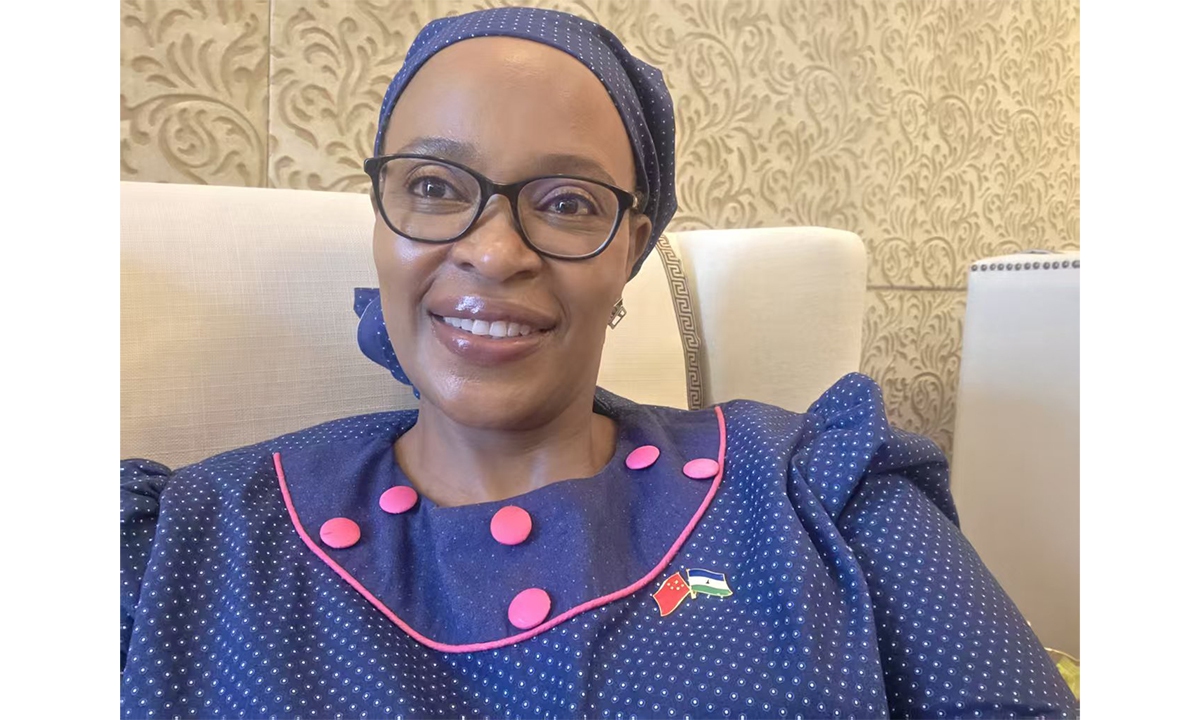
Ambassador of Lesotho to China Mapaballo Lydia Mile Photo: Courtesy of the Embassy of the Kingdom of Lesotho in China Ambassador of Lesotho to China Mapaballo Lydia Mile told the Global Times that the zero-tariff policy since May is "a direct, tangible deliverable of the commitments made under the Forum on China-Africa Cooperation (FOCAC) framework. It transitions the rhetoric of 'win-win cooperation' into practical policy."
Mile said the policy provides a structured, phased approach to reducing trade difficulties and securing institutional guarantees. "It perfectly embodies the strong, historical foundations built through FOCAC over the years to forge a modernized, forward-looking economic future."
Amid comments saying that African countries still face challenges beyond tariffs, including logistics, standards and market-access capacity, Ambassador Mile of Lesotho said that tariff reduction is a necessary condition for trade expansion; however, more conditions are required to reach deals.
Take Lesotho, a landlocked country, for instance. The country faces acute logistical hurdles and high transport costs. Complying with sanitary and phytosanitary measures, as well as quality standards remains a massive challenge for many enterprises in Lesotho.
To fully benefit from the favorable tariff policy, Mile pointed to systemic technical support for African exporters, targeted investments in agro-processing, and enhanced trade facilitation.
"Initiatives recently introduced by China Customs, such as the 'Green Channel 2.0' for agricultural products and expanding authorized economic operator mutual recognition capacity building, are exactly the types of institutional support needed to overcome the non-tariff barriers," she elaborated.
。
Current article:http://8f3.minshixuanhabing.bond/ec8nqjz/20260826/71658.htm
Published on:07:00:30


 发表于 10:27:57
 QQ好友和群
 QQ空间
QQ空间 腾讯微博
腾讯微博 腾讯朋友
腾讯朋友 收藏
收藏 支持
支持 反对
反对
 发表于 11:08:21


